Developing a Toolkit for a National EPR Framework for Plastic Waste Management in Nepal
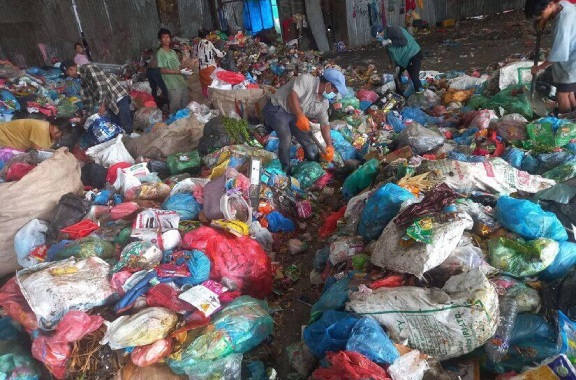
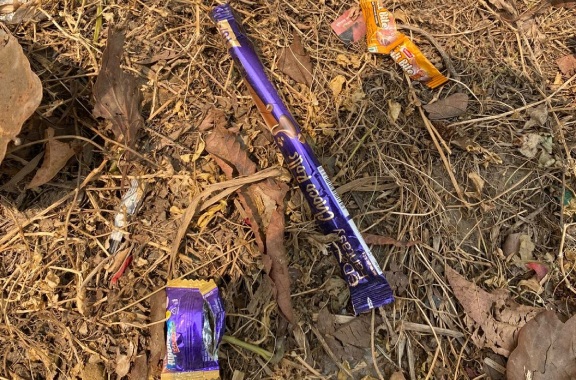
Nepal’s plastic waste challenge is growing fast — driven by urbanization, changing consumption patterns, and the absence of policies equipped to manage post-consumer waste.
Nepal has taken real steps forward, recently adopting the Plastic Bag (Regulation & Control) Directive, 2082, which introduces Extended Producer Responsibility obligations for plastic bag manufacturers & importers, requiring them to collect & manage at least 10% of the plastic waste they put into the market. But this remains largely on paper, with no operational modules, fee structures, or implementation guidance to back it up.
This project, supporting Nepal’s implementation of the Basel Convention Plastic Waste Amendments, addresses that gap by developing a practical toolkit for a national Extended Producer Responsibility (EPR) framework — shifting responsibility for post-consumer plastic waste from municipalities to producers and importers, with real incentives for prevention, collection, and recycling.
To ground the framework in practice, the project also pilots a Deposit Return Scheme (DRS) for PET bottles in Khumbu Pasang Lhamu Rural Municipality — a fragile mountain region where PET bottle recovery remains low due to the high cost of collecting and transporting waste from remote settlements to recycling markets. The DRS is designed to bridge this funding gap through a designated fee collected on PET bottles entering the region, using those funds to support collection and recovery while incentivizing both consumers and collection partners to participate. Lessons from the pilot will inform future policy development.
The project is being carried out under the leadership of the Ministry of Agriculture, Forests and Environment, coordinated by the Secretariat of the Basel, Rotterdam and Stockholm Conventions, and implemented by GRID-Arendal with Doko Foundation, SPCC and Khumbu Pasang Lhamu Rural Municipality — funded by the Norwegian Retailers’ Environment Fund (NREF).
Extended Producer Responsibility (EPR) is a cross-sectoral approach that aligns manufacturers, government and consumers toward sustainable packaging solutions. By integrating environmental costs into the market, it provides a feasible, market-friendly tool to manage end-of-life products responsibly. With this project, Doko is supporting the transition to EPR with a national EPR toolkit for plastic packaging. The pilot is being carried out in the Khumbu region and will provide insights on adapting EPR frameworks to different local contexts.
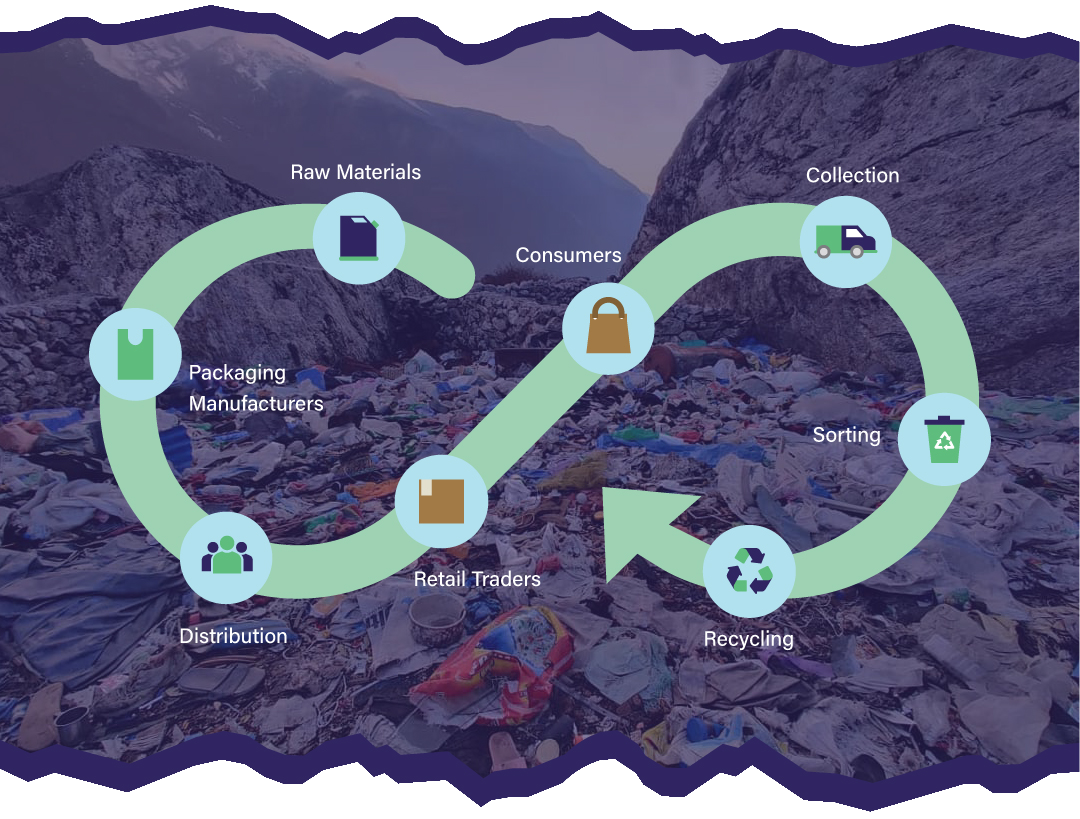
Mountain waste management faces numerous challenges, including the collection, transportation, sorting, and recycling of waste across dispersed and difficult-to-access areas, as well as the recovery of recyclable materials. However, recycling and material recovery rates remain relatively low due to the high costs associated with collecting and transporting recyclables from remote settlements to downstream recycling markets.
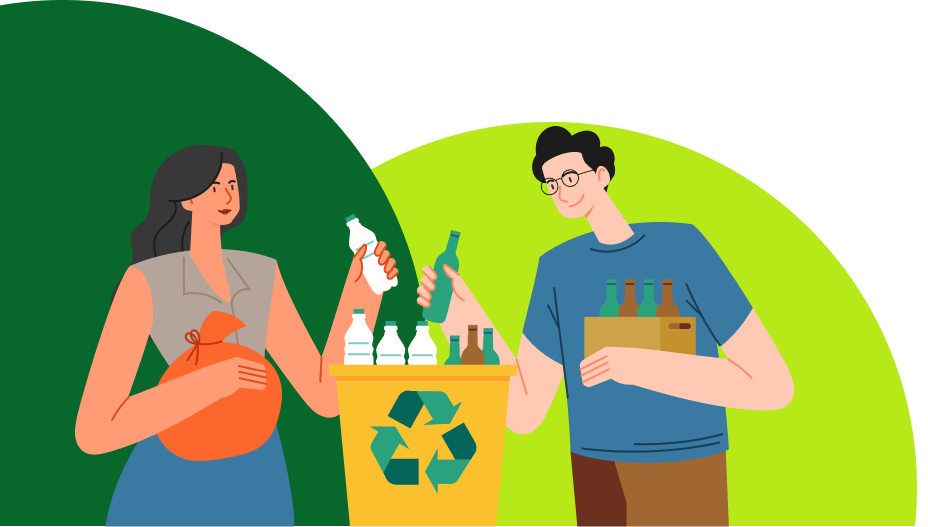
The proposed Deposit Return Scheme (DRS) is designed to address the funding gap by introducing designated deposit fees on eligible products. The funds generated will support waste collection, transportation, sorting, and material recovery activities while providing financial incentives for consumers and collection partners to actively participate in the DRS system. Deposit Return Scheme or DRS is a proven circular economy mechanism used in over 40 countries worldwide.
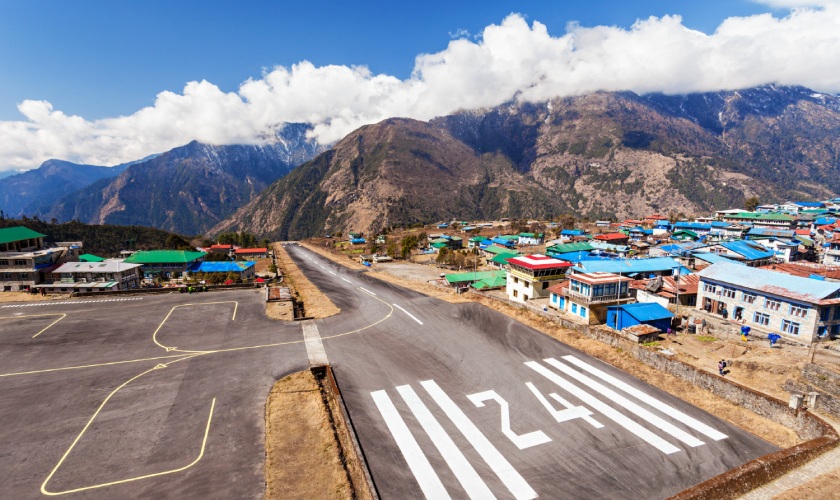
Total Waste Generated in Khumbu Region
522,000 kgs/year
Year – No. of trekking tourists in Khumbu region
2008 – 30,599
2014 – 37,124
2025 – over 60,000

Waste Collection
The Khumbu Pasanglhamu Rural Municipality and Sagarmatha Pollution Control Committee (SPCC) has built a collection system that works; Environmental Stations on the trail, regular pickups, collected waste is carried out by hand and by mule.
Trail Bins – 125
Materials Recovery Facility – 2 (Lukla & Namche under construction)
Environment Stations – 4
Running Campaign – Carry Me BackMaterials Recovery Facility – 2 (Lukla & Namche under construction)
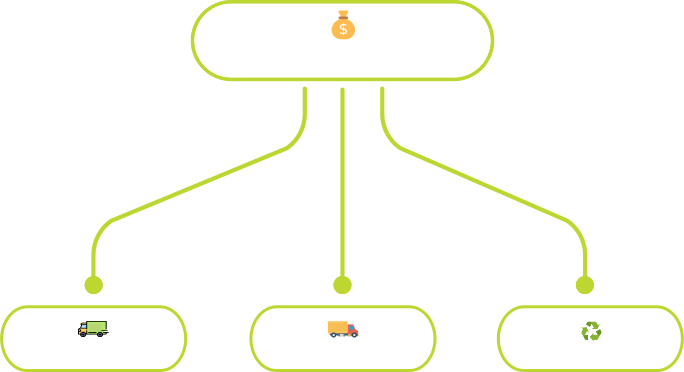
Deposit Refund Scheme Pilot
Collection Partners: Shops, Retailers
Type of Waste: PET Bottles
DRS Fees Supports: Collection, Transportation & Recycling
The following figures reflect cumulative recovery data since the launch of the pilot phase. All metrics are updated monthly and publicly accessible via the project landing page dashboard.
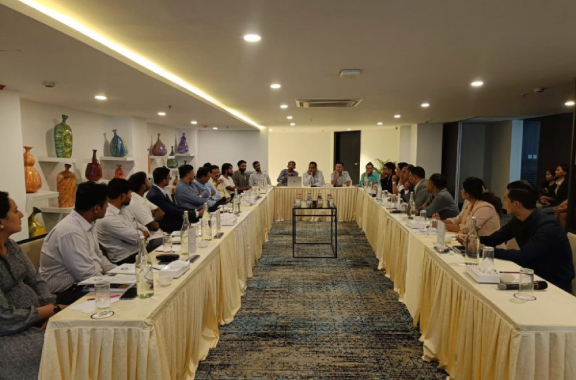
This project is implemented through a multi-stakeholder coalition spanning international organisations, national government bodies, conservation institutions, and local community partners — all united around building Nepal’s first mountain EPR system.

How It’s Funded
This project is testing a first-of-its-kind Deposit Return Scheme for plastics in Nepal. To ensure lasting and continuous impact, we need your support. Your contribution will help scale our community footprint through targeted bilingual marketing and awareness campaigns.
Subscribe to Our Newsletter