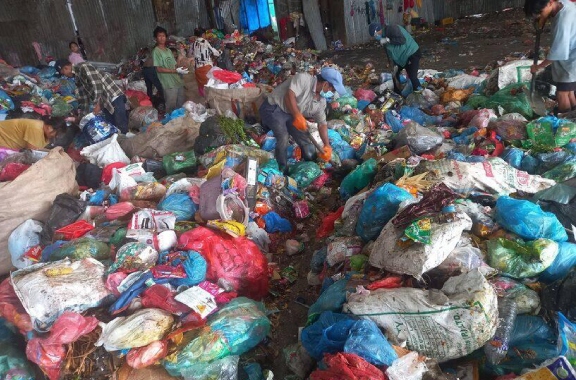
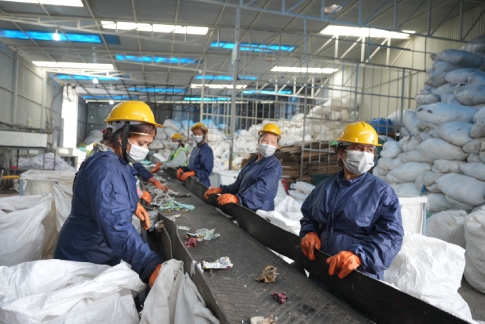
Waste workers often collect and sort recyclables by hand, with no protective gear and constant exposure to injury and unsafe materials. Improving safety conditions is a basic first step toward more dignified work.

Waste workers carry deep, practical knowledge of recycling and recovery, but rarely have access to formal training or recognized certification. Building structured skills pathways helps convert that experience into recognized, transferable expertise.
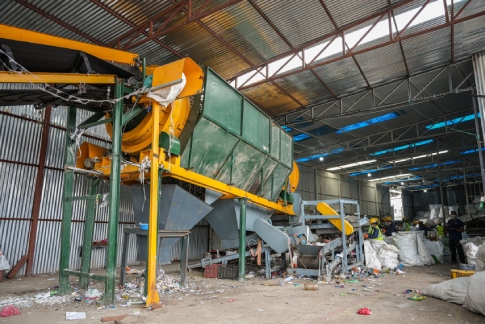
Much of the sector's recovery work happens without basic tools — protective gear, storage, or transport equipment. Providing access to proper infrastructure directly improves both safety and efficiency.

Waste workers' earnings are often unpredictable, tied to informal, unregulated sales of recovered material. Creating more stable income pathways strengthens both livelihoods and the reliability of the recovery chain itself.
Waste workers form the backbone of the country's actual recycling capacity, yet remain largely invisible in formal systems and social protections. Recognizing this workforce formally is central to building a more equitable circular economy.
Waste workers often operate individually or in loose informal groups, limiting their collective bargaining power and access to support. Organizing into stronger cooperatives gives them a more sustainable, unified footing.
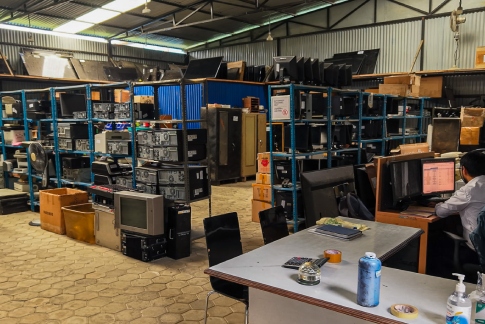
Waste workers frequently sell recovered material through informal, uneven channels with little price transparency. Improving direct market access helps ensure fairer value for the material they recover.
Repair and refurbishment remain underdeveloped as a formal trade in Nepal, despite their potential to extend product life and reduce waste. Building these skills opens up an entirely new employment category within the circular economy.
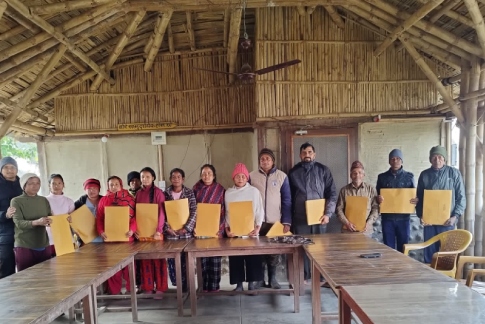
Recovery and recycling work is largely learned informally, on the job, without structured training programs. Formal training builds both a more skilled workforce and better recovery outcomes.
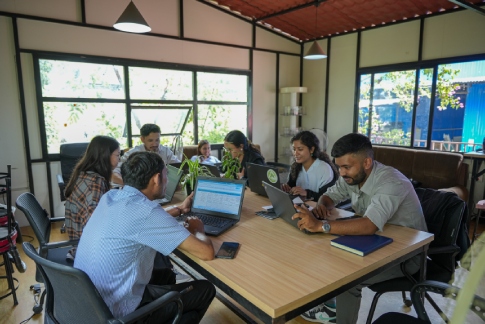
Waste management increasingly requires technical know-how — from processing technology to facility operations — that the current workforce hasn't had access to. Developing this technical capacity is essential to running modern waste infrastructure.

Waste management is often seen as an informal, low-status occupation rather than a viable career. Establishing clear career pathways helps reposition it as a legitimate, skilled sector of employment.

Nepal's growing waste sector represents a meaningful employment opportunity for young people, particularly as circular economy initiatives scale up. Connecting youth to this pipeline early builds a more sustainable long-term workforce.
Without standardized certification, skills gained in the waste sector often go unrecognized outside of it. Formal certification helps validate and transfer this expertise into broader employment opportunities.
Recycling and waste industries currently operate with limited coordination around workforce training. Building industry partnerships helps align training with the actual skills the sector needs.
Even where households are otherwise satisfied with waste collection, source segregation remains rare in daily practice. Targeted campaigns are essential to closing that specific behavioral gap.
Local groups already play an active, informal role in supporting waste management in their neighborhoods. Formalizing and resourcing this community-led effort makes it more consistent and effective.
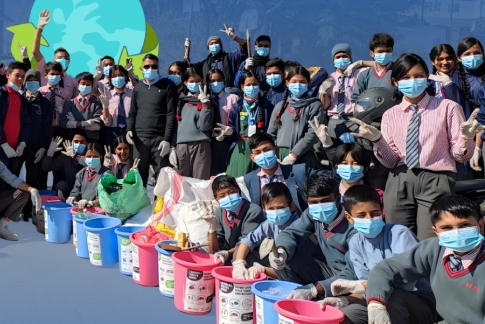
Habits formed early carry forward, making schools a natural entry point for building long-term waste segregation and environmental behavior. Engaging youth directly helps build durable habits before they need to be unlearned.
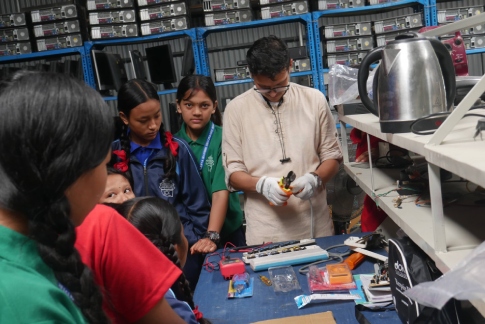
Awareness campaigns already reach large audiences through media, but often don't translate into changed behavior on their own. Pairing messaging with accessible local infrastructure is what actually makes awareness stick.
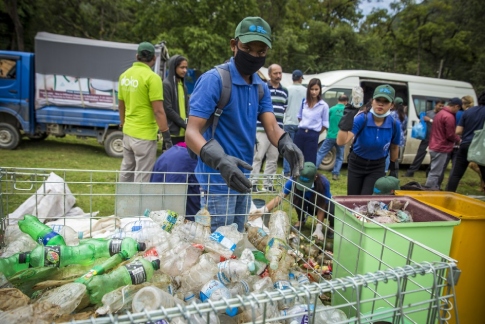
Community members are often willing to support local environmental efforts but lack a structured way to get involved. Volunteer programs give that willingness a clear, organized outlet.
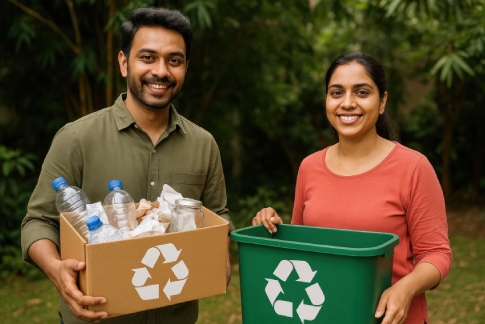
Waste management has traditionally been treated as solely a municipal responsibility, with limited citizen involvement in planning or decision-making. Building real participation channels turns residents into active partners rather than passive service recipients.
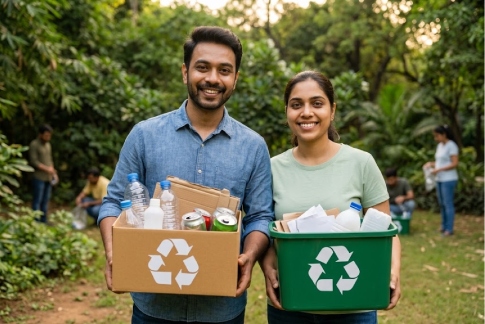
Long-term behavior change depends on people seeing themselves as stewards of their local environment, not just service recipients. Building that sense of ownership is central to making sustainable habits stick.
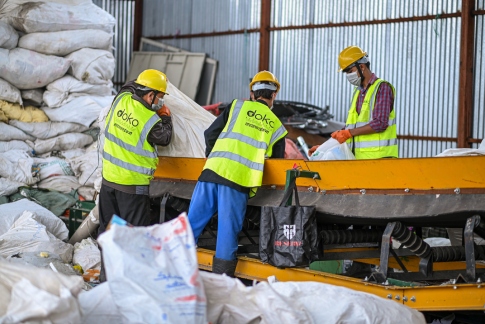
Small-scale recycling businesses currently operate informally, often without stable resources or a growth path. Supporting their formalization builds stronger, more permanent local recovery capacity.

Repair as a business model remains largely undeveloped in Nepal despite its potential to reduce waste and extend product lifecycles. Supporting these businesses creates practical alternatives to disposal.

Materials with little resale value in the recycling chain — such as low-value plastics — are typically discarded rather than repurposed. Upcycling initiatives offer a way to extract value from exactly this overlooked material.

Women already play an active role in community waste and recycling efforts, but often lack direct pathways into formal enterprise ownership. Supporting women-led businesses builds on that existing engagement.
Circular economy entrepreneurs often lack the early-stage support needed to move from an idea to a functioning enterprise. Incubation support helps bridge that specific gap.
Local recyclers, aggregators, and small enterprises often lack reliable connections to larger buyers and industries. Building stronger market linkages helps materials move more efficiently through the recovery chain.
Circular economy business models are still an emerging concept in Nepal's private sector. Actively developing and supporting these models helps establish new, sustainable revenue streams around waste.
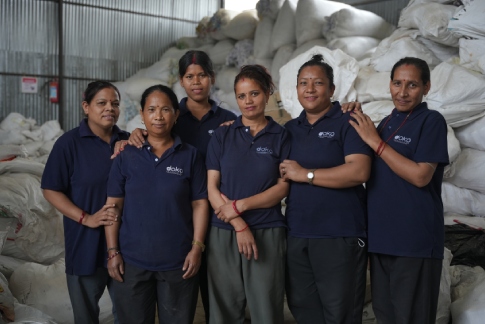
Many municipal waste management units are understaffed and stretched thin, often with just a handful of staff overseeing citywide operations. Building their capacity is foundational to any lasting improvement in service delivery.
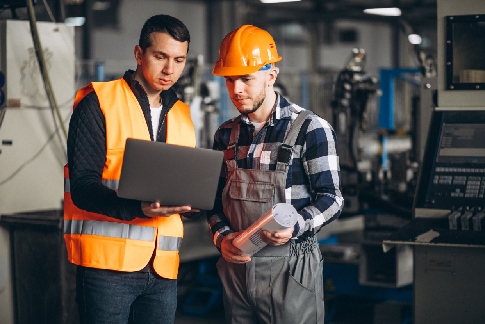
Local governments frequently lack the technical expertise needed for tasks like technology selection, contract management, or facility planning. Structured technical training closes this practical knowledge gap.
Waste management improvements depend on coordination across multiple levels of government and institutions that don't always communicate effectively. Stronger institutional partnerships help align priorities and resources.

Businesses represent a significant, largely untapped resource for funding and supporting waste management initiatives. Structured CSR engagement channels that interest into meaningful, coordinated action.
Waste management challenges in Nepal need locally grounded research and evidence, not just imported models. Academic partnerships help generate the data and insight needed for better decision-making.
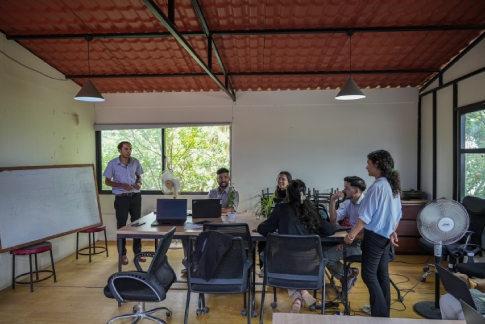
Successful waste management practices already exist in pockets across Nepal and the region, but aren't systematically shared or replicated. Structured knowledge exchange helps good ideas travel further.
Long-term change depends on having capable local leaders who can sustain momentum beyond any single initiative. Developing this leadership ensures community-led efforts continue well past initial program support.