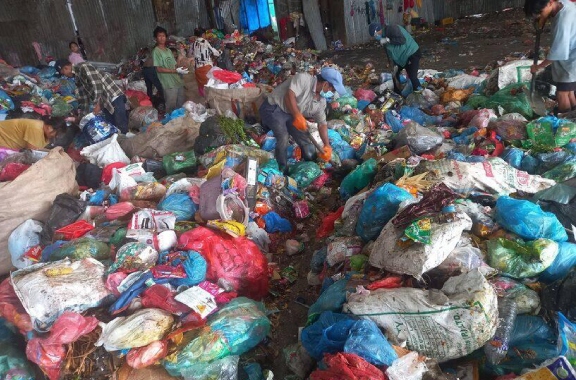

Nepal's current Solid Waste Management Act and Rules treat waste narrowly as a disposal problem, with no dedicated national framework pushing resource recovery, reuse, or industrial symbiosis. Doko works with federal counterparts to help shape policy that treats waste as a resource stream, not just a public-health issue.
Local governments currently lack processing mandates altogether — the Act stops at "collect, transport, dispose," with no requirement to treat or recover material before landfilling. Doko supports municipalities in designing local strategies that build recovery and reuse into everyday waste operations, rather than treating landfilling as the default endpoint.
With the informal sector already recovering an estimated 15–20% of recyclables in comparable Nepali cities, there's a real foundation to build on. Doko helps translate that informal recovery capacity into structured, measurable action plans with clear diversion targets.
The World Bank's 2020 assessment flagged Nepal's Solid Waste Management Act lumps domestic, industrial, bio-medical, electronic, and hazardous waste under a single generic law, even though each stream carries very different risks and needs very different handling.
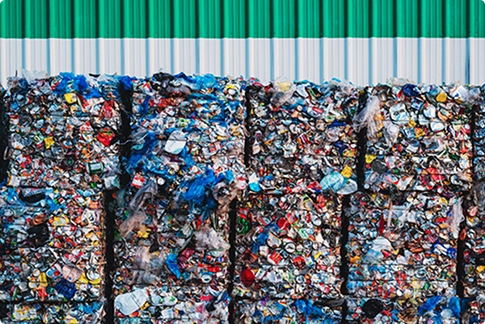
Nepal's current waste laws place the burden of collection and disposal almost entirely on municipalities, with no mechanism holding producers or importers accountable for the packaging and products they put into the market. Closing this gap by building enforceable, verifiable producer obligations is an area of active interest.
There's currently little structure in Nepal encouraging people to return recyclables rather than discard them, and no established incentive-based recovery model in place. Piloting deposit-refund approaches, especially in ecologically sensitive areas where prevention matters more than cleanup, is a key area being explored.
Plastic is one of the hardest waste streams to manage responsibly, and it needs rules built specifically for it rather than folded into general municipal waste policy. With 600 tonnes of plastic reaching Nepal's landfills untreated every day, Doko works on both the policy side — through the EPR Toolkit — and on the ground, through targeted collection and recycling pilots. Developing plastic-specific policy, separate from general waste law, is a priority area for reform.
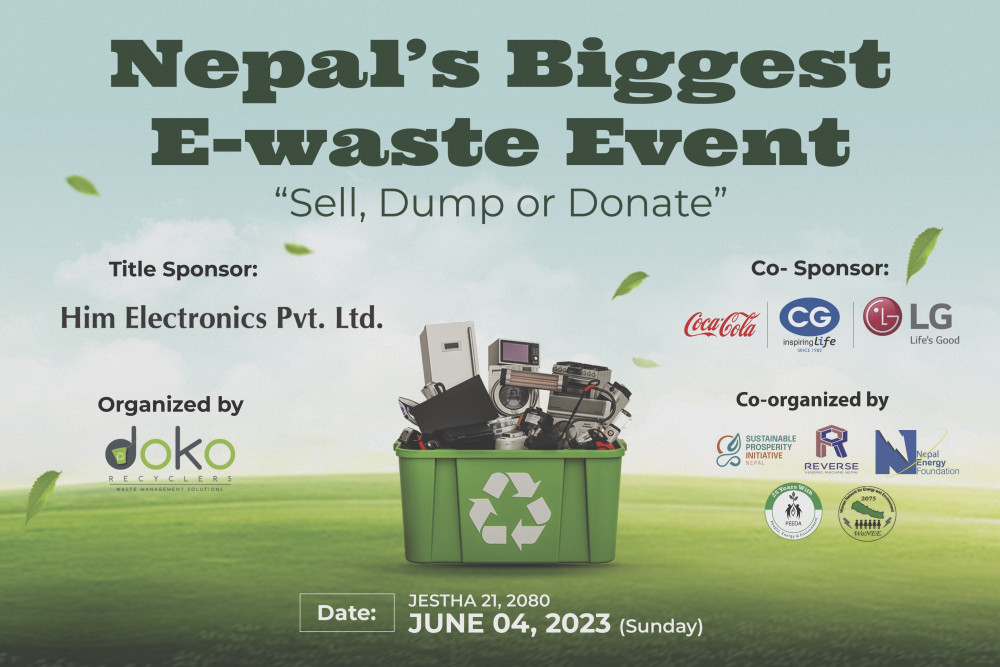
Electronic waste is not governed by any separate regulation in Nepal, despite carrying hazardous chemicals and heavy metals that ordinary municipal systems aren't designed to safely manage. Establishing dedicated e-waste rules, similar to frameworks used elsewhere in the region, is an identified gap worth addressing.
Electronic waste is not governed by any separate regulation in Nepal, despite carrying hazardous chemicals and heavy metals that ordinary municipal systems aren't designed to safely manage. Establishing dedicated e-waste rules, similar to frameworks used elsewhere in the region, is an identified gap worth addressing.
BOrganic matter makes up the majority of Nepal's waste, yet current treatment capacity — such as biomethanation — covers only a small fraction of what's generated daily, leaving most of it to decompose untreated in landfills and release methane. Expanding organic waste diversion is a significant opportunity still largely untapped.
Construction and demolition waste is technically a local government responsibility, but no dedicated guidance, collection system, or reuse standard currently exists for it. Developing a clear framework for this waste stream remains an open gap.
Waste disposal and even treatment facilities are frequently sited close to rivers, with no enforced buffer zones or siting standards to prevent contamination of water bodies. Establishing and enforcing protective distance requirements around waterways is a needed area of policy development.
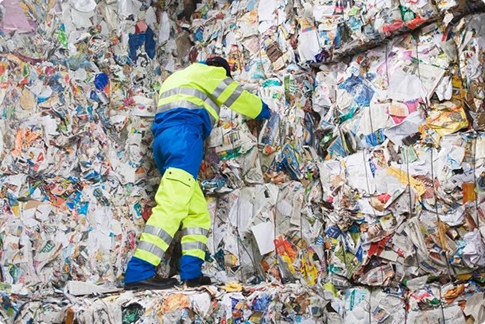
Under the Solid Waste Management Act, 2011, local level governments are mandated to manage waste in their jurisdictions, yet there is no requirement for them to prepare long-term waste management plans (WMPs) covering the complete waste management value chain.
Nepal doesn't yet have a national strategy tying together how waste should be managed across the country, even with an environmental policy already in place that calls for it. Building that connective strategy — with clear short, medium, and long-term targets — is essential to making sector-wide progress measurable and consistent.
Private companies are already involved in waste collection in many cities, but usually through short, loosely defined contracts with little competitive bidding or performance monitoring. Structuring stronger, well-governed PPP models — spanning collection, processing, and disposal — is a significant opportunity to bring in better infrastructure and more reliable service.
In many cities, only a fraction of households are actually billed for waste collection, and municipalities cover most of their costs through federal transfers rather than local revenue. Designing fairer, more effective fee systems — ones that people can afford and that actually fund the service — is central to making waste management financially sustainable long-term.
There's currently no reliable national picture of how much waste is generated, where it goes, or how it's handled — because there's no system requiring that data to be collected and shared. Building a proper data and information system would let decisions about waste policy be grounded in real numbers instead of guesswork.
Waste management teams in many municipalities are stretched thin, often with just a handful of staff overseeing an entire city's operations. Investing in training, staffing, and clearer organizational structures for these teams is fundamental to actually delivering better services on the ground.
Municipalities used to have a dedicated technical body to turn to for guidance on waste management, but that support was discontinued years ago and has never been replaced. Re-establishing that kind of hands-on technical support — helping cities with everything from planning to contracts to training — is a critical piece still missing from the system.
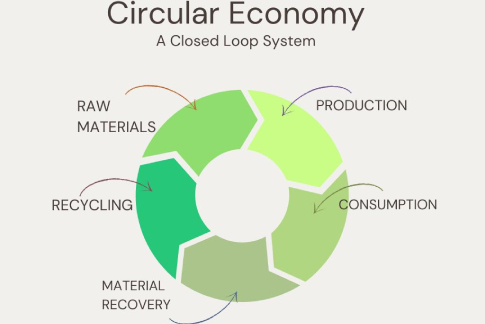
Doko works with federal counterparts to help shape policy that treats waste as a resource stream, not just a public-health issue.
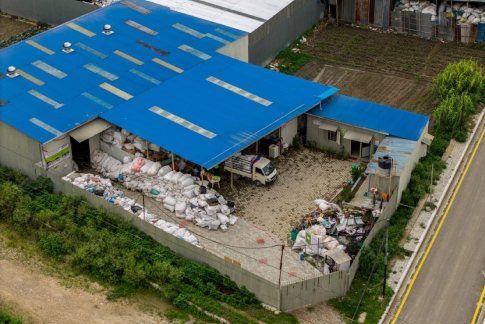
Local governments currently lack processing mandates, with no requirement to treat or recover waste before landfilling. Doko helps municipalities build recovery and reuse into everyday operations, rather than defaulting to landfilling.
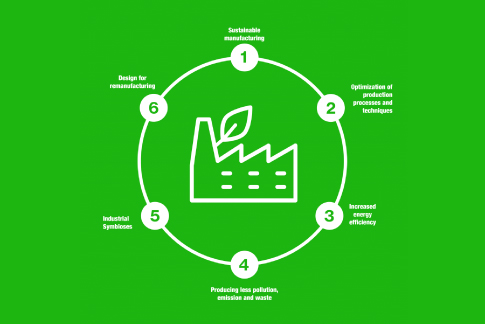
With the informal sector already recovering an estimated 15–20% of recyclables in Nepal, there's a real foundation to build on. Doko helps translate that informal recovery capacity into structured, measurable action plans with clear diversion targets.
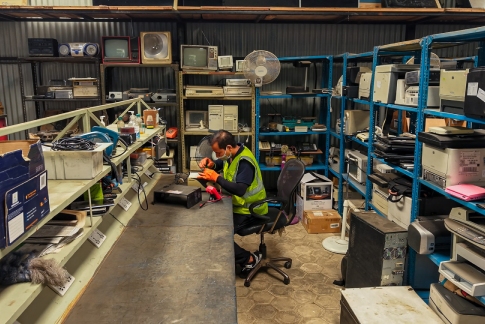
Nepal's solid waste act lumps all waste types under one generic law; this calls for separate stream-specific regulations. Doko is addressing this with practical frameworks- an EPR Toolkit for plastics and establishing Nepal's only e-waste facility.
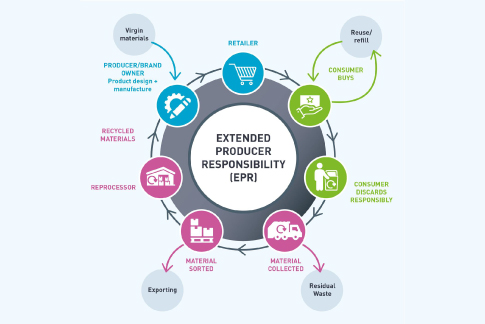
Current waste laws places collection and disposal burden on municipalities, with no mechanism holding producers accountable for the waste they put into the market. Closing this gap with producer obligation policies is Doko's area of interest.

There are very less structures in Nepal encouraging people to return recyclable waste, and no established incentive-based recovery model in place. Doko is piloting deposit-refund systems to see if this can effectively scale up waste collection.
Plastic waste needs dedicated policies, not general waste laws. As 600 tonnes of plastic enter Nepal's landfills daily, Doko drives reform through targeted plastic collection pilots and dedicated plastic EPR policy.
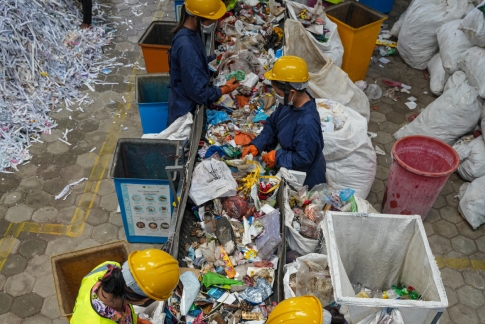
Nepal lacks separate e-waste regulations, risking hazardous chemical contamination in ordinary municipal systems. Establishing a dedicated e-waste frameworks is a critical gap that Doko is working to address.

Batteries and hazardous materials currently fall under the same definition as household trash. Building dedicated management pathways is a priority for Doko.

Organic matter dominates Nepal's waste, but limited biomethanation capacity leaves most of it decomposing untreated in landfills, releasing harmful methane. Expanding organic waste diversion is a significant opportunity still largely untapped.
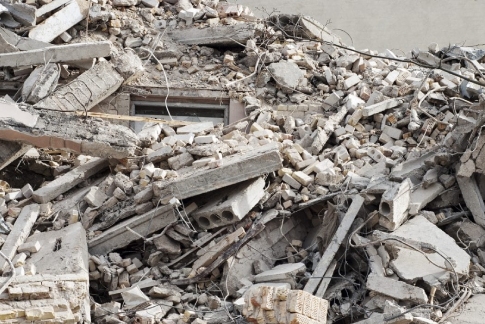
Construction and demolition waste is technically a local government responsibility, but no dedicated guidance, collection system, or reuse standard currently exists for it. Developing a clear framework for this waste stream remains an open gap.
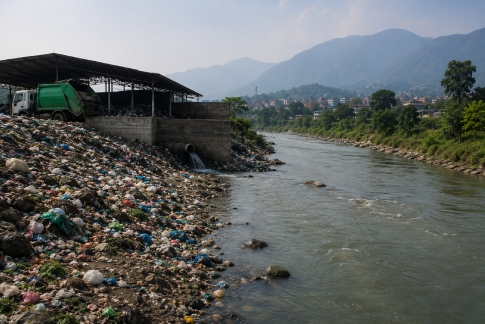
Waste disposal and treatment facilities are frequently sited close to rivers, with no standards to prevent contamination of water bodies. Establishing protective distance requirements around waterways is a needed area of policy development.
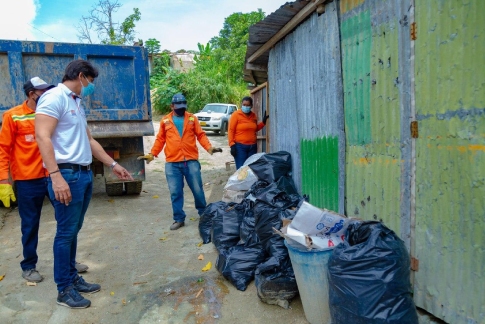
Nepal needs mandatory, regularly updated Waste Management Plans for local governments, covering the full waste chain, financing, infrastructure, and informal-sector integration.
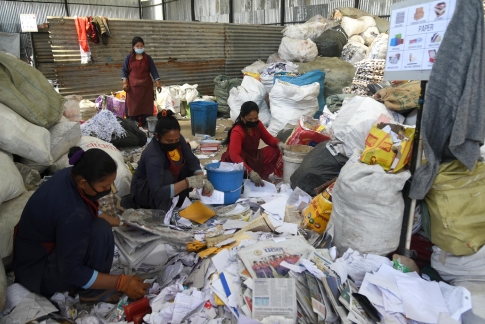
Nepal doesn't yet have a strategy tying together how waste should be managed across the country. Building a comprehensive strategy with clear short, medium and long-term targets is essential to making sector-wide progress measurable.
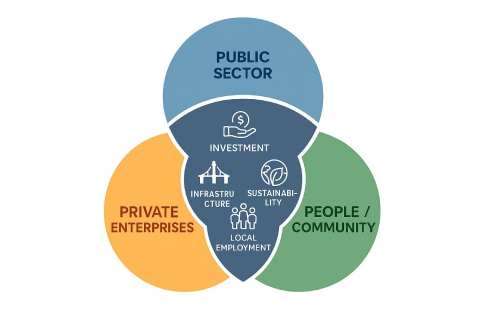
Private companies are involved in waste collection, but usually through short contracts with little competitive bidding or performance monitoring. A well-governed PPP model is an opportunity to bring in better infrastructure and reliable service.
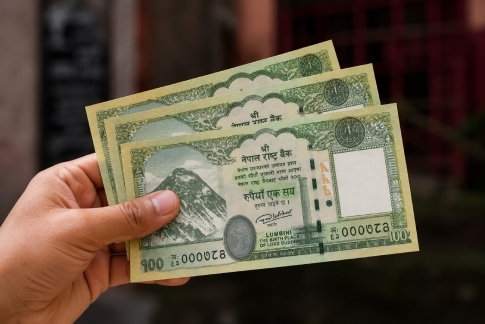
In many cities, only a fraction of households are billed for waste collection, with municipalities covering most of their costs. A fairer, more effective fee systems is needed to make waste management financially sustainable long-term.
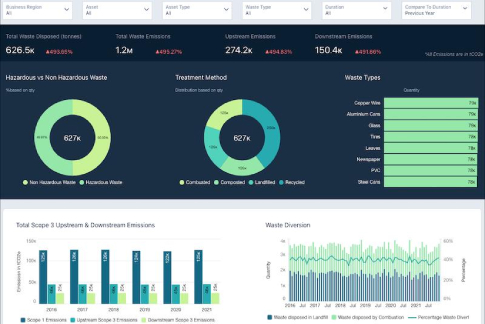
There's currently limited data on waste- how much is generated? where it goes? how it's handled? as there's no system requiring this data to be collected. Building a unified database will enable evidence-based policy decisions.
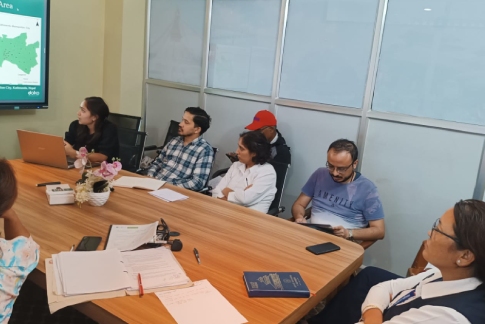
Waste management teams in many municipalities are stretched thin, often with few staff overseeing an entire city's operations. Investing in training, staffing and team organizational structures is important to delivering better services on the ground.
Municipalities lack the dedicated technical guidance which was discontinued years ago. Re-establishing this hands-on planning, contracting and training support is a critical system gap.